
Hall of Shame Entry #1
Introduction
This advisory report brings to your attention a deeply concerning development affecting consumer safety, pharmacy compliance, and state regulatory authority. GenderGP, a company now based in Singapore, has begun marketing cross-sex hormones to Americans — including minors — for the purposes of sex-change interventions. The company’s U.S.-facing website already targets residents of multiple states:
https://www.gendergp.com/en-us/
GenderGP’s global history is not one of innovation or clinical leadership. Instead, it is a long record of severe regulatory failures, license suspensions, permanent bans, deceptive advertising, and unsafe medical practices that resulted in repeated disciplinary actions, patient harm, and in at least one case, a suicide.
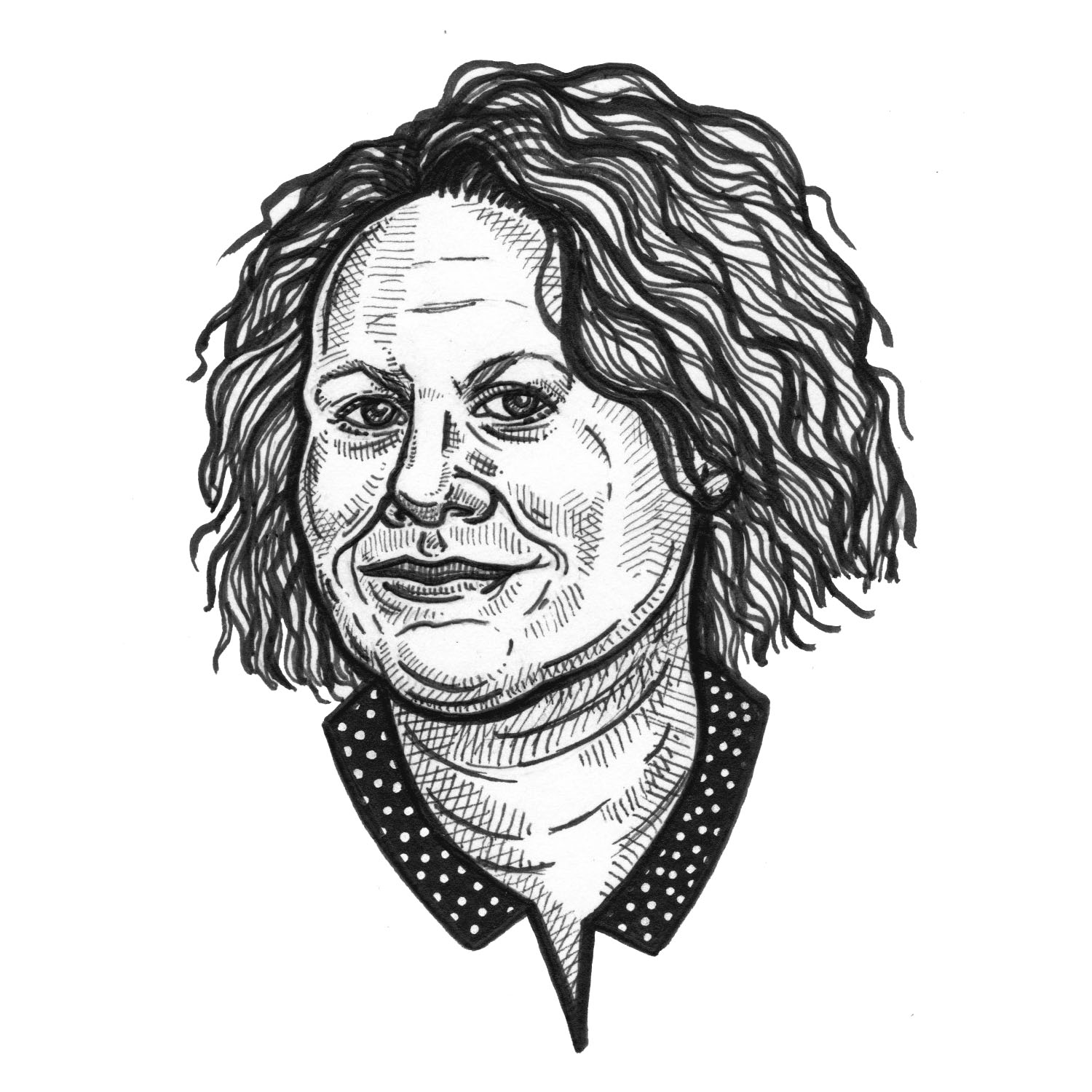
The company’s founders — Dr. Helen Webberley and Dr. Michael Webberley — have each been the subject of multiple, years-long legal actions in the United Kingdom, ultimately resulting in the permanent loss of their licenses. UK regulatory bodies have repeatedly condemned their online prescribing schemes as unsafe, deceptive, and dangerous to minors. Singaporean authorities have now also ordered GenderGP to cease operations for operating illegally.
Despite this global record of misconduct, GenderGP is now marketing itself in the United States with false and misleading claims about medical credentials and experience, without disclosing that both founders have been stripped of their medical licenses and found guilty of egregious violations of medical ethics, data laws, and patient safety.
Because the company is now soliciting Americans — including vulnerable youth — with undisclosed risks and misleading claims, this enterprise poses urgent concerns under U.S. consumer-protection law, medical-practice statutes, telehealth regulations, and state and federal pharmacy law.
I. Corporate Structure and Offshore Migration
GenderGP was originally incorporated in the United Kingdom in 2016, with Helen and Michael Webberley as founders and owners. Within three years, following mounting regulatory pressure, the company was transferred to a Hong Kong–linked entity (Harland International) and Helen resigned as director. By 2021, GenderGP had re-registered in Singapore as GenderGP Pte. Ltd., a structure that shields ownership and operational details from public scrutiny.
Despite these ownership shifts, Helen Webberley remains publicly associated with GenderGP, appearing prominently on the company’s website and acting as a spokesperson, including for its 2025 U.S. launch. She is identified online as having “over 30 years of medical experience,” with no mention that she is no longer licensed to practice medicine in the United Kingdom.
The corporate migrations — from the UK to Hong Kong to Singapore — appear to be driven not by innovation but by an effort to evade meaningful regulation.
II. Early Regulatory Misconduct: Rogue Online Prescription Networks
The Webberleys’ regulatory troubles began nearly a decade ago when Helen became affiliated with several online prescription companies: Oxford Online Pharmacy, Dr Matt Ltd., Online GP Services, and the newly created GenderGP.
A National Health Service tribunal found Helen Webberley acted as Medical Director for Dr Matt Ltd. and Oxford Online, with responsibility for all prescribing decisions. Regulatory agencies uncovered alarming practices:
- Dr Matt Ltd. issued prescriptions with as little as 17 seconds of review.
- Oxford Online prescribed unsafe quantities of asthma inhalers, violating clinical guidelines.
- Online GP Services operated illegally without required registration in Wales, resulting in fines totaling £23,000 for the company and Webberley personally.
- These entities repeatedly failed basic safeguarding standards.
This pattern of disregard for patient safety and regulatory requirements set the stage for the disciplinary actions that followed.
III. Suspension and Revocation of Helen Webberley’s Medical License (2018–2024)
In January 2018, NHS Wales initiated a disciplinary proceeding against Helen Webberley for misconduct across her online enterprises, including GenderGP. The tribunal found that Webberley:
- operated online medical services without adequate governance;
- obstructed investigators;
- provided services without legally required registrations;
- processed patient data without legal authorization;
- failed to report patient complaints to the GMC;
- falsely claimed membership in the Royal College of General Practitioners.
The tribunal described her conduct as “disingenuous and deceptive”, stating she lacked “the essential attributes of integrity and candour.” Her license was suspended for the maximum allowable period.
In 2019, on appeal, every allegation was re-examined and upheld. The appellate tribunal confirmed that she repeatedly impeded investigations and provided dangerously substandard care.
In the years that followed, Webberley continued to face misconduct findings related to her treatment of minors. Cases examined between 2016 and 2017 showed she prescribed testosterone to a 12-year-old, testosterone and puberty blockers to a 17-year-old, and puberty blockers to an 11-year-old — in each case with inadequate follow-up or insufficient disclosure of serious risks, including fertility loss.
Her license was briefly reinstated by a UK High Court judge in 2023, but in 2024 she permanently lost the right to practice medicine after failing a recertification exam required of all UK physicians.
IV. Suicide of a Teenage Patient
In 2018, a teenage patient, Jayden Lowe, died by suicide by stepping in front of a train. At the time of her death, she had been taking testosterone prescribed through GP Online Services and GenderGP without any in-person medical assessment. Her parents publicly stated that neither company required medical oversight before prescribing testosterone for months at a time.
This tragic case formed part of the record in later disciplinary proceedings against Michael Webberley.
V. GenderGP’s Continued Operations Despite Sanctions (2019–2021)*
Following Helen’s suspension, GenderGP relocated operations to Spain while continuing to prescribe hormones to minors in the UK — including without parental consent.
A 2021 investigative report in The Telegraph revealed that GenderGP:
- prescribed testosterone to a reporter posing as a 15-year-old girl after minimal online interactions,
- required no parental consent despite the patient allegedly being a minor and UK regulations which at the time required parental consent and two specialists to confirm prescriptions for hormones to a minor under the age of 16,
- delegated prescribing to doctors in Romania and Egypt who never examined the patient,
- prescribed puberty blockers to children as young as 10,
- conducted no follow-up, and
- relied on a European regulatory loophole intended for emergency medical access — not for habitually prescribing controlled substances.
VI. Permanent Revocation of Michael Webberley’s License (2022)
In 2022, after investigations involving 89 charges of misconduct, Dr. Michael Webberley was permanently barred from practicing medicine in the UK. Findings included:
- prescribing puberty blockers to a 9-year-old based solely on an online questionnaire;
- prescribing testosterone to a 17-year-old girl with autism and complex mental-health issues (who later died by suicide);
- engaging in unsafe care with at least 18 additional patients;
- working far outside his medical training (he is a gastroenterologist by specialty);
- never once disagreeing with a patient’s self-diagnosis.
These findings illustrate GenderGP’s systematic disregard for the basic medical standards that protect patients—particularly minors.
VII. Worldwide Regulatory Warnings and Prohibitions (2024–2025)
In 2024, the UK National Health Service issued an unusual and urgent warning instructing medical practitioners not to follow GenderGP’s prescribing advice, citing the company’s failure to provide psychological or physiological support.
That same year, the UK High Court barred GenderGP from treating a teen known as “J,” who had autism, anorexia, and recent history of self-harm. The Court found that GenderGP:
- never performed blood tests or medical exams,
- relied on an unlicensed counselor as the sole point of contact,
- prescribed a massively excessive dose of testosterone that medical experts testified could risk death.
In December 2024, the Singapore Ministry of Health ordered GenderGP to cease operations, stating its telehealth services were illegal because its doctors were not licensed in Singapore and were practicing from outside the country.
VIII. Deceptive Marketing and Consumer Risks in the United States (2025)
As of November 2025, GenderGP’s U.S. site presents Helen Webberley as a seasoned medical doctor with “over 30 years of experience,” omitting:
- her permanent loss of her medical license,
- her history of repeated disciplinary actions,
- the extensive findings of misconduct,
- the suicide linked to GenderGP, and
- the global regulatory bans on GenderGP’s methods.
This constitutes prima facie deceptive advertising and misrepresentation of medical qualifications.
IX. Implications for U.S. Pharmacies and State Authorities
Pharmacies that fill prescriptions from unlicensed foreign providers risk:
- violations of state practice-of-medicine laws,
- violations of controlled-substance regulations,
- collaborating in the unlicensed practice of telemedicine,
- dispensing medications under fraudulent or misrepresented physician credentials,
- violating consumer-protection statutes,
- exposure to both civil and criminal liability.
Given GenderGP’s pattern of misconduct, any prescriptions issued under its model must be treated as high-risk, potentially unlawful instruments of a foreign, unregulated telemedicine enterprise.
Conclusion
For nearly a decade, GenderGP and its founders have exhibited a consistent pattern of regulatory evasion, unsafe medical practices, deceptive advertising, and disregard for patient safety. Their expansion into the United States — targeting minors and vulnerable consumers while concealing a long record of disciplinary actions — presents an immediate threat to public health and a clear violation of consumer-protection and medical-practice laws.
Given these facts, State Attorneys General, State Medical Boards, State Pharmacy Boards, the FTC, and pharmacy executives have ample basis to investigate, restrict, and, if necessary, prohibit GenderGP’s operations within their jurisdictions.